Don't Let Google Maps' AI-Powered Ask Button Give Wrong Information About Your Law Firm
Google now shows the new AI-powered “Ask” button in Maps and on Business Profiles. Don't let it give the wrong answers about your law firm.
The Hona Blog
Explore the Latest Trends, Tips, and Strategies in Legal Tech and Client Communication


Google now shows the new AI-powered “Ask” button in Maps and on Business Profiles. Don't let it give the wrong answers about your law firm.
While Google still shows the Q&A functionality on the backend in your Google Business Profile, it no longer appears for people looking your profile or searching for businesses like yours. Google now shows the new “Ask” button in Maps and on Business Profiles.
According to Google’s product team, “Customers can ask their question directly in Google Maps and get an updated, instant answer based on your answers and relevant reviews.” This Gemini-powered feature has been prioritized in December 2025 and it became more prominent during the summer of 2025.
Google pulls information from:
You can still answer questions about your law firm in your Business Profile. Just know this section is no longer visible to searchers.
According to Google: “Business Profile users can continue to answer existing questions about their business in the Q&A section in their Google Business Profile. Your published questions and answers will continue to power Google’s understanding of the real world and may be shown in Maps.”


Check and update these areas in your Business Profile and on your website to give Google’s AI all of the right information.
Make sure this information in your profile is up-to-date:
Inaccurate information in your profile will mean that Gemini and “Ask Maps” can’t answer correctly.
All of the information on your Business Profile must be the same on your website. Don’t provide Google with conflicting information. In particular, make sure the business name listed on Google is the same one found on your website.
Review your website’s accuracy and clearly label and update pages like:
Remember: AI is only providing the most likely answer to a question, not fact-checking, so you need to give it all the context. Your website is the best place to provide in-depth context about your law firm.
If you maintain a profile on any other review sites, like Yelp, or any directories of law firms, double check that all of your business information is accurate and updated.
Make sure that practice areas, business hours, contact information, staff information, etc. show up the same in every place someone might be searching.
Requesting more reviews! Google pulls information directly from reviews to populate answers in Maps. Legal marketing experts in particular note that Google seems to prioritize the user-generated answers that reviews already provide.
Here’s an example of the impact your reviews have on the answers given by Google’s AI via “Ask Maps.”
Rebecca was in a car accident. A few years ago she had to hire a personal injury lawyer for a slip-and-fall incident. But she remembers that the lawyer she hired then rarely contacted her. She felt isolated and confused, even though the case turned out in her favor. The communication was so bad she never referred that lawyer to anyone and mentioned it in her review.
In searching Google for other personal injury attorneys in her area, Rebecca comes across your firm. She wants to know upfront if your firm has a history of poor communication with clients. She uses the AI-powered “Ask” button to ask about your communication style.
If your firm has hundreds of positive reviews and many former clients mention how great your firm is at staying connected, Google is going to use that information to provide Rebecca’s answer.
So if you don’t have a solid process for requesting reviews, now’s the time to start.
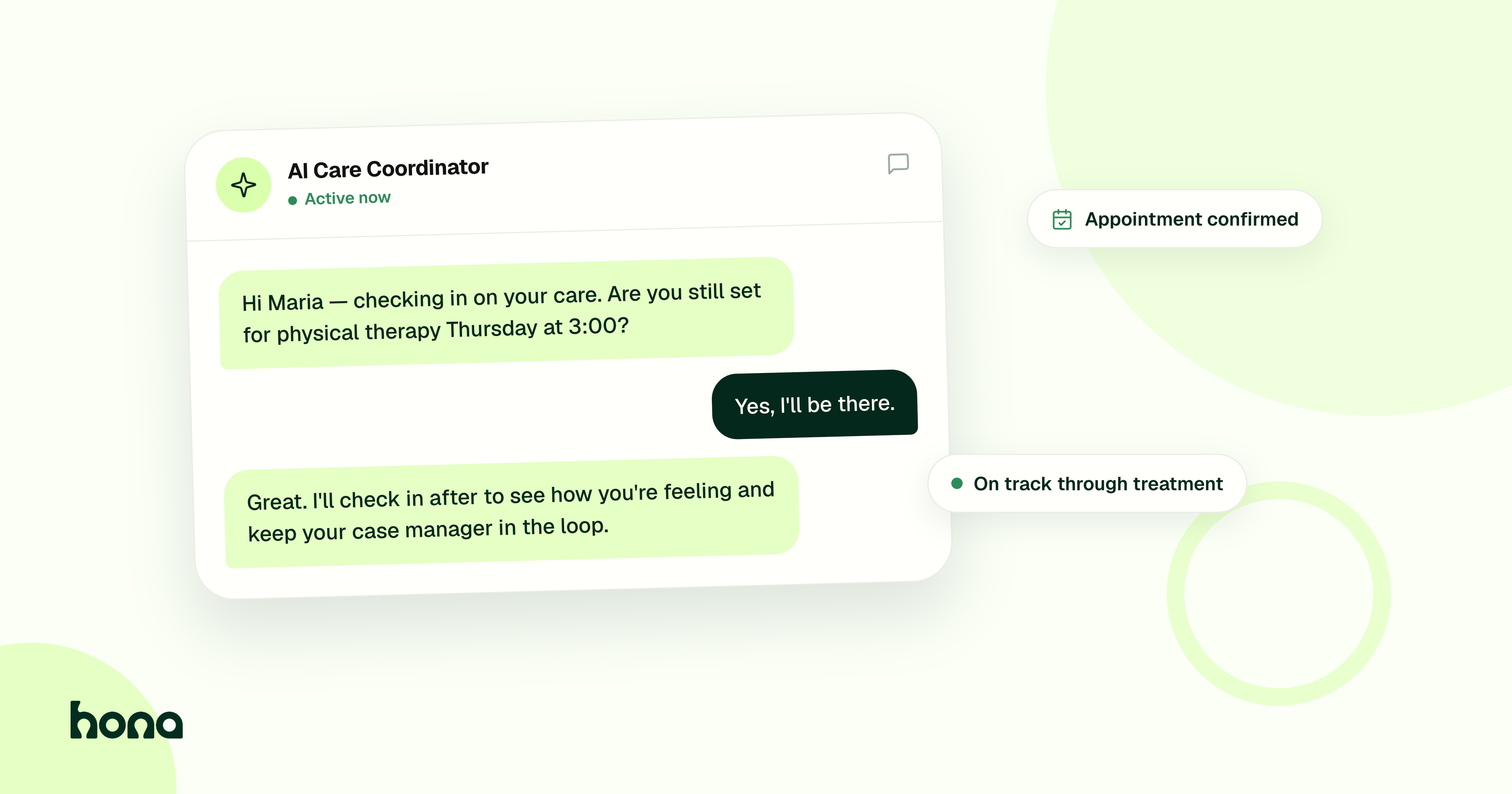
Within its client portal and communication tools, Hona provides automated review requests. Set up these requests to send automatically via text message and the client portal at specific points in your case workflow.
Don’t miss out on valuable content that can revolutionize your law firm.

Effective planning, sound operations, and a willingness to innovate form the core of a strong legal practice.
Modern legal work changes quickly. As a result, attorneys who anticipate market shifts stand a better chance of operating at a higher level. Below are strategic approaches that can guide a firm in moving beyond short-term tasks and toward long-range resilience.
A clearly defined vision shapes day-to-day decisions and steers the practice toward bigger milestones.
Software designed for case management, billing, and client communication can remove many administrative obstacles.
This lowers the burden on employees, freeing them to focus on strategic priorities.
Administrative tasks frequently consume billable hours. In many cases, they don’t require attorney-level skill.
Distributing tasks across the firm helps everyone contribute more effectively.
A law firm’s environment impacts staff satisfaction and client impressions.
A supportive culture often leads to stronger client service and higher employee retention.
Standing out among other practices takes an ongoing effort.
Consistent outreach keeps the firm top-of-mind with prospective clients.
Loyal clients return and recommend others.
Satisfied clients are a reliable source of referrals and positive reviews.
Legal practice will continue to shift with regulations, technology, and client expectations. Staying informed and flexible can help a firm thrive over the long haul.
An open mind allows a practice to refine services and reinforce long-term success.
Effective planning, sound operations, and a willingness to innovate form the core of a strong legal practice. By combining forward-looking strategies with consistent execution, attorneys can build a business model ready for whatever challenges lie ahead.
.jpg)
An organized approach to document handling combined with carefully selected automation tools can transform the day-to-day grind for legal professionals.
Managing legal documents can be challenging when files arrive in large volumes and multiple team members need access. A disorganized system can lead to confusion, unnecessary delays, and overlooked details. Below are strategies to help attorneys and support staff streamline their workflow.
Keeping case materials in order plays a major role in meeting deadlines and guiding matters to a successful close. A structured system helps staff members locate vital information quickly, reducing the time spent searching or recreating lost files. In addition, clients gain confidence in a firm’s professionalism when their documents are handled with care.
Automation tools reduce repetitive tasks that slow down many legal practices. For example:
Incorporating these solutions often leads to lower administrative burdens, letting attorneys spend more time on substantive legal work.
Best Practices for Implementation
An effective system for document management and automation can:
When lawyers devote less time to administrative tasks, they can invest more energy in higher-level responsibilities—advocating for clients, building relationships, and strategic planning.
An organized approach to document handling combined with carefully selected automation tools can transform the day-to-day grind for legal professionals. Centralized repositories, clear naming standards, and automated reminders all work together to keep cases moving. By applying these proven techniques, firms of any size can handle higher workloads more effectively and stay prepared for the next challenge.

The legal profession is moving toward a blend of tradition and innovation.
Legal professionals worldwide are witnessing the rapid evolution of technology in their field. From advanced analytics to fully automated processes, AI and legal tech continue to shape how law firms operate. Below is a look at the most noteworthy developments and their impact on the daily life of attorneys.
Lawyers no longer have to rely solely on their professional experience and traditional research methods. With AI-powered tools:
These capabilities help attorneys form stronger strategies and use time more productively.
Document-heavy cases can tax the resources of even a well-staffed practice. Here’s where AI steps in:
This use of AI frees up attorneys to focus on higher-level legal tasks instead of tedious manual checks.
In an era of instant messaging and 24/7 online access, client expectations are shifting. Legal tech rises to meet these demands by:
These enhancements lead to more efficient communication and higher client satisfaction.
For transactional work, AI can speed up the drafting phase and reduce errors:
By merging form automation with insights from machine learning, firms create consistent, comprehensive agreements faster.
Although technology promises greater efficiency, it also raises questions:
Staying vigilant about these pitfalls helps maintain ethical standards as technology advances.
To leverage these developments effectively, consider the following steps:
Firms that plan carefully see smoother transitions and better returns on their tech investments.
A Glimpse into the Future
AI and legal tech empower law firms to run more efficiently, offering quicker turnarounds on research, contract drafting, and client services. While the human element remains essential—after all, an algorithm can’t replace an attorney’s nuanced understanding—these tools create new possibilities for improving workflows and delivering stronger results.
The legal profession is moving toward a blend of tradition and innovation. Attorneys who stay open to new methods of serving clients are more likely to thrive as technology continues to advance.

At its core, a plaintiff recovery trust exists to preserve and manage a plaintiff’s financial well-being after a successful legal outcome.
A plaintiff recovery trust is a specialized legal tool that holds and manages settlement or judgment proceeds for an individual who has won a lawsuit. Rather than receiving the entire award immediately, the plaintiff can place the funds in this trust for various reasons, including asset protection, future planning, and potential tax or benefit considerations. This approach is especially popular in personal injury or mass tort cases, where settlements tend to be significant.
When large sums of money are suddenly available, individuals may face challenges related to financial planning, creditor claims, or preserving eligibility for public assistance. A plaintiff recovery trust helps limit these risks by providing structured distribution and ongoing oversight. The trust is often flexible in design, allowing it to accommodate the plaintiff’s unique needs, such as timed payouts or specific allocations for medical or educational expenses.
Selecting the right trustee is critical. This individual or institution will be responsible for managing the trust assets, making distributions according to the established rules, and ensuring proper record-keeping. Many plaintiffs opt for a professional fiduciary or a reputable financial institution that has experience managing settlement funds. Such a choice can help prevent conflicts of interest and promote a higher standard of accountability.
Formalizing a plaintiff recovery trust requires careful drafting of the trust agreement. This document lays out the rules for how and when distributions occur. Attorneys typically work closely with the trustee to create provisions that address the plaintiff’s immediate and long-term financial priorities. Detailed payout schedules are essential, as they can prevent large, sudden disbursements that might jeopardize public benefit eligibility or lead to poor financial decisions. Clear guidelines on covering anticipated medical costs or special needs can be included to provide an added layer of security.
Once the trust is established, continuous monitoring becomes crucial. The trustee should keep track of deposits, disbursements, and how these actions align with the trust agreement. Regular communication with the plaintiff and legal counsel reduces uncertainty and allows for timely updates if life circumstances change. If, for example, the plaintiff starts a new job or experiences medical complications, the trust terms might be modified—if permissible under relevant regulations—to ensure that the trust continues to serve its original purpose effectively.
Trustees must stay informed about applicable state and federal laws that govern trust administration, especially if the plaintiff receives public benefits. Missteps can lead to eligibility problems or unintended tax consequences. Working with accountants and tax attorneys helps confirm that all reporting and financial obligations are satisfied. Maintaining transparency and adhering to regulations promotes trustworthiness and instills confidence in the management process.
At its core, a plaintiff recovery trust exists to preserve and manage a plaintiff’s financial well-being after a successful legal outcome. By preventing impulsive spending, protecting assets from creditors, and coordinating with benefit programs, this type of trust delivers a measured approach to wealth management. Though it requires diligent oversight and planning, the benefits often outweigh the complexities, giving plaintiffs greater peace of mind about their long-term stability.
.png)
Paralegals serve as the engine that powers many law firms, enabling attorneys to focus on higher-level concerns.
Paralegals form the backbone of many legal teams. They handle research, draft documents, and coordinate the administrative aspects of cases. These responsibilities have grown over time to include technology management, process automation, and direct client interaction, elevating their impact on firm operations.
Today’s paralegal might start the day researching case law, move on to drafting pleadings, then finish by preparing electronic filings. As firms embrace advanced legal tech, paralegals often take on projects that were once reserved for junior associates.
A varied skill set opens the door to a more dynamic career, while also enhancing the firm’s overall output.
A solid command of legal research tools is essential. Paralegals spend significant time fact-checking and compiling references:
Strong writing ability sets top-tier paralegals apart, ensuring final work products are both thorough and accessible.
Paralegals typically juggle multiple cases with separate deadlines and documentation demands:
In large or fast-paced firms, these systems ensure important details don’t slip through the cracks.
Comfort with technology has become a foundational requirement:
This tech proficiency not only saves time but also positions paralegals to guide the firm’s digital transformation.
Communication skills impact more than just document quality. Paralegals often interact with attorneys, opposing counsel, and clients:
Maintaining strong relationships within and outside the firm boosts efficiency and client satisfaction.
New methods and technologies emerge regularly in the legal field. Staying current helps paralegals deliver top results:
A willingness to adapt and learn positions paralegals as indispensable assets in a rapidly evolving industry.
Paralegals serve as the engine that powers many law firms, enabling attorneys to focus on higher-level concerns. By cultivating strong research abilities, organizational systems, and tech-savvy practices, they can thrive in demanding environments. Staying flexible and forward-thinking allows paralegals not just to keep pace, but to propel their firms toward greater efficiency and success.

Reducing the day-to-day workload doesn’t mean ignoring important details.
Attorneys often juggle a great deal of administrative tasks while handling complex legal matters. This leaves less time for high-impact work that generates revenue and delivers value to clients.
Shifting away from day-to-day operational details frees up mental space, improving productivity and job satisfaction. The following tips focus on time management for attorneys who aim to sharpen their practice and reduce burnout. These suggestions are equally helpful for time management for lawyers in any specialty.
The initial step is deciding what truly requires your expertise. Pinpointing core tasks that demand professional skill prevents energy from draining into minor duties.
Attorneys can list the most important responsibilities and group them by urgency. Concentrating on high-level work while delegating or automating simpler tasks raises effectiveness.
Many items can shift to support staff or external resources. Paralegals might handle filing, client intake, or research that doesn’t call for advanced legal analysis. This approach lifts daily burdens and gives others a chance to refine their capabilities. Clear guidelines and steady communication keep delegated tasks under control.
Repetitive responsibilities, such as scheduling and basic follow-ups, can be assigned to specialized software. Automated workflows route documents, send invitations, and handle standard requests. This removes hours of manual effort each week, easing pressure and limiting mistakes.
Time can slip away when clients and colleagues expect rapid replies around the clock. Establishing blocks of uninterrupted work time reduces interruptions. Short breaks at regular intervals help maintain clarity and decrease stress. Even quick moments of rest can boost focus across a demanding schedule.
Project management and time tracking apps reveal which tasks consume the most effort. Reviewing this data helps teams make small adjustments in workflow. Checklists or templates for repeated tasks lower the mental load. Each tactic supports steady improvement and reduces frustration.
Though legal documents require precision, not all administrative tasks need the same level of scrutiny. Determine which items truly call for meticulous review and which can be handled in a more streamlined way. This balance keeps performance high without exhausting staff.
Clients appreciate faster responses but need to know when answers will arrive. Outline response times or preferred contact methods at the start of each case. Direct clients to self-service portals for common inquiries. This maintains a manageable schedule while still meeting client needs.
Time management benefits from periodic reviews. Brief weekly sessions can uncover inefficiencies and highlight areas for improvement. Are certain tasks taking longer than expected? Are there new bottlenecks? Small adjustments preserve momentum and maintain focus.
Reducing the day-to-day workload doesn’t mean ignoring important details. It involves shaping a system where critical matters advance while secondary items receive proportionate attention.
This approach supports a sustainable practice, allowing attorneys to focus on higher-value activities and provide a more satisfying client experience.